Why Countertops Crack or Separate in Older Savannah Homes
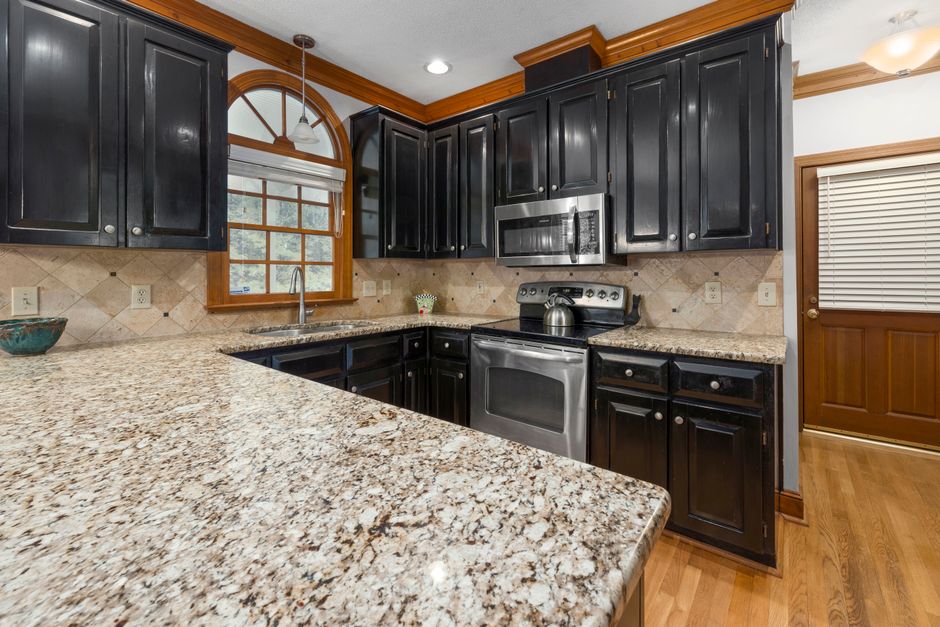
A countertop does one job: it holds a flat, rigid plane over cabinets that move slightly with every season, and most failures come from that plane being asked to flex. The cases logged at countertops savannah aware center show the same pattern across Savannah, GA kitchens, from old houses near Forsyth Park to newer builds in Chatham County, and the stone is rarely the first thing to blame.
Cabinet movement and settling
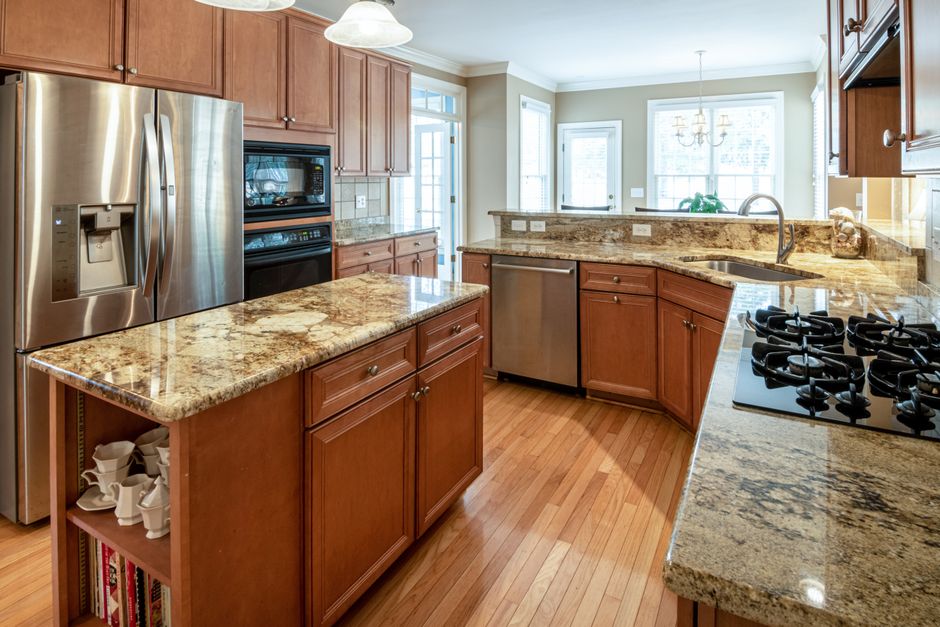
Settling floors and framing can shift cabinets over time, which puts stress on rigid granite, quartz or quartzite. Old pier foundations in Savannah move more than a slab on grade, so a run of cabinets that was level at templating can be out by an eighth of an inch a few years later. Stone does not bend to follow. It carries the load until the weakest section gives.
Cracks at sink and cooktop cutouts
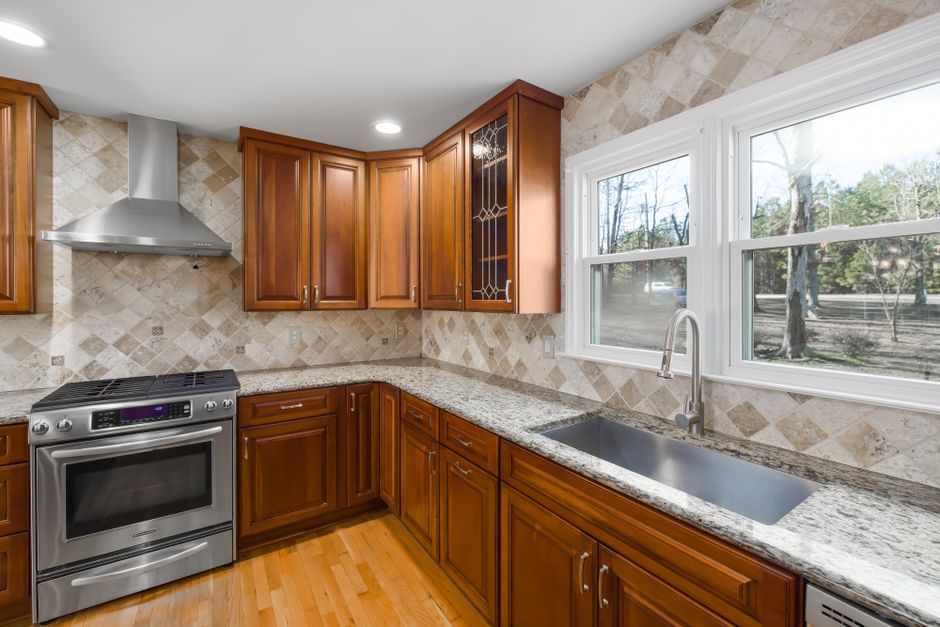
The narrow strips of stone in front of and behind a sink or cooktop cutout are the weakest points, and that is where cracks most often appear. A sink cutout can leave two inches of material at the front. Any twist in the cabinet, a dropped pot, or a person leaning on the edge during install can start a fracture at the inside corner. Rounded corner radii and a fully supported sink rail help a great deal.
Overhangs without support
An overhang past the fabricator's limit needs corbels, brackets or hidden steel to prevent breakage. Island seating is the usual case. A twelve inch bar overhang on a thin slab with nothing under it will hold for months, then snap along the cabinet line when someone sits on it. Stone countertops do sometimes need support under an overhang, and the edge profile, whether eased edge or bullnose, does not change that.
Heat damage on quartz
Quartz is stone chips bound in resin. A very hot pan placed directly on it can scorch or crack that resin binder through thermal shock. Granite tolerates more heat, but quartz does not, so trivets belong beside the range. Solid surface and laminate burn even more easily, and butcher block chars.
Seams and backsplash joints
Seams that open or rise usually point to cabinet movement or poor leveling rather than a bad slab. Good seam placement keeps joints away from the sink and cooktop, where stress concentrates. Walls in older homes are often out of square, so backsplash joints are caulked, and that caulk can open as the house moves. Touching it up every few years is normal maintenance, not a defect.
Cracks that are not cracks
Hairline fissures are a natural feature of some granites and are not the same as structural cracks. A fissure follows the pattern of the stone, feels smooth under a fingernail and does not grow. A structural crack tends to start at a corner or cutout, catches a nail and lengthens. Not every crack means the stone was defective, so check cabinet level, support and heat history before blaming the slab.