Savannah Stone Countertop Care: Daily Cleaning Without Etching or Dulling
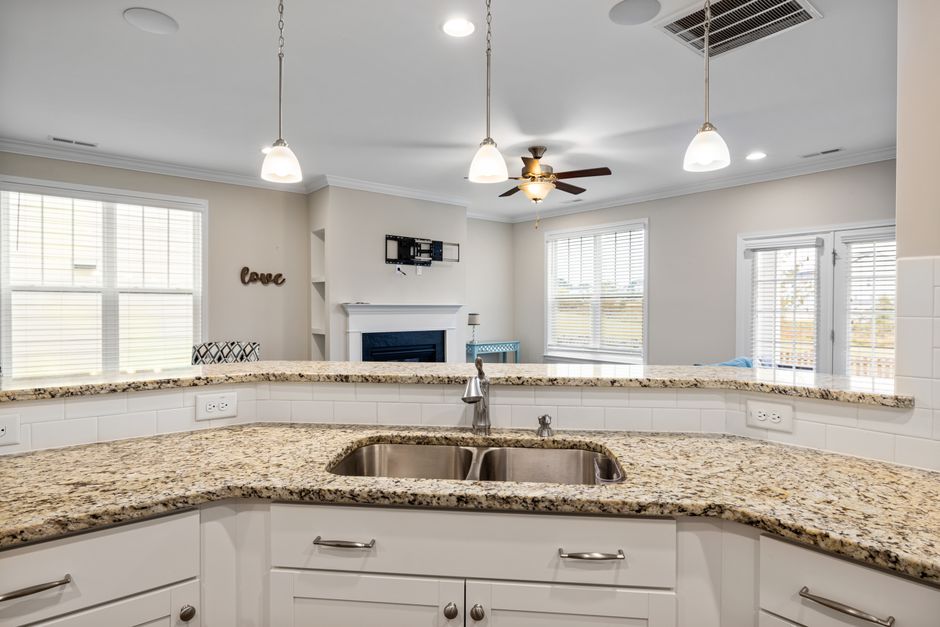
The safest daily care for a stone countertop in Savannah is plain: a soft microfiber cloth, warm water and a few drops of mild dish soap, followed by a rinse and a thorough dry. That routine suits granite, marble and quartz alike. What changes from stone to stone is what you must keep away from the surface, and the Lowcountry adds a few local hazards of its own, from humid air to beach sand to spring pollen.
The Everyday Routine That Works on Every Stone
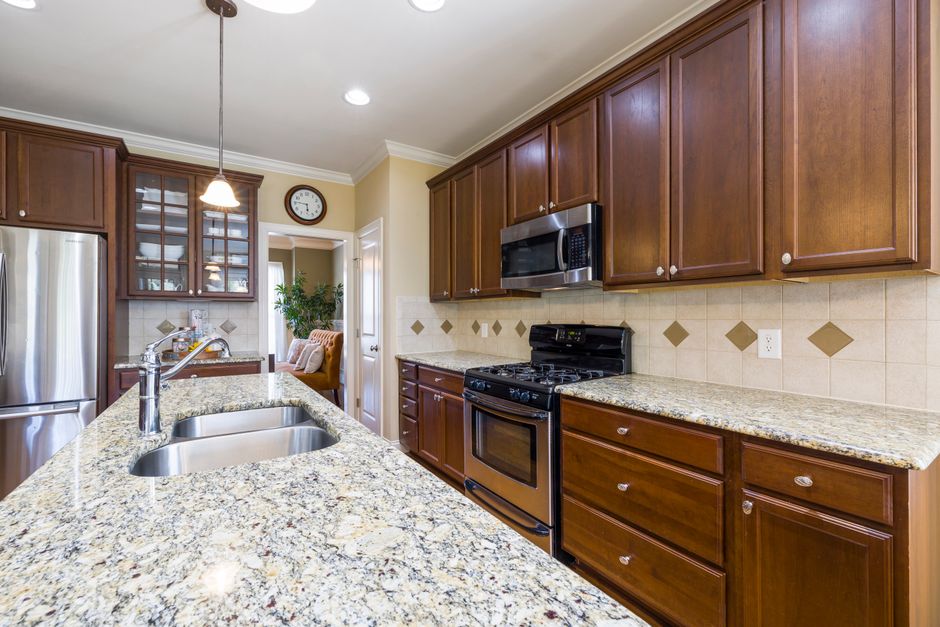
Start by clearing loose crumbs and grit with a dry soft cloth or brush, lifting them rather than dragging them. Then wipe the counter with a cloth wrung out in warm, lightly soapy water. Go over it again with a clean damp cloth to remove soap, and finish by buffing dry with a second microfiber cloth.
The drying step matters more here than in drier climates. Savannah air is humid, so water left on the surface evaporates slowly and tends to leave mineral spots and a faint soap film. On a polished counter, that film is what makes the stone look cloudy by the end of the week. A quick buff dry keeps the shine bright.
Know Which Stone You Have
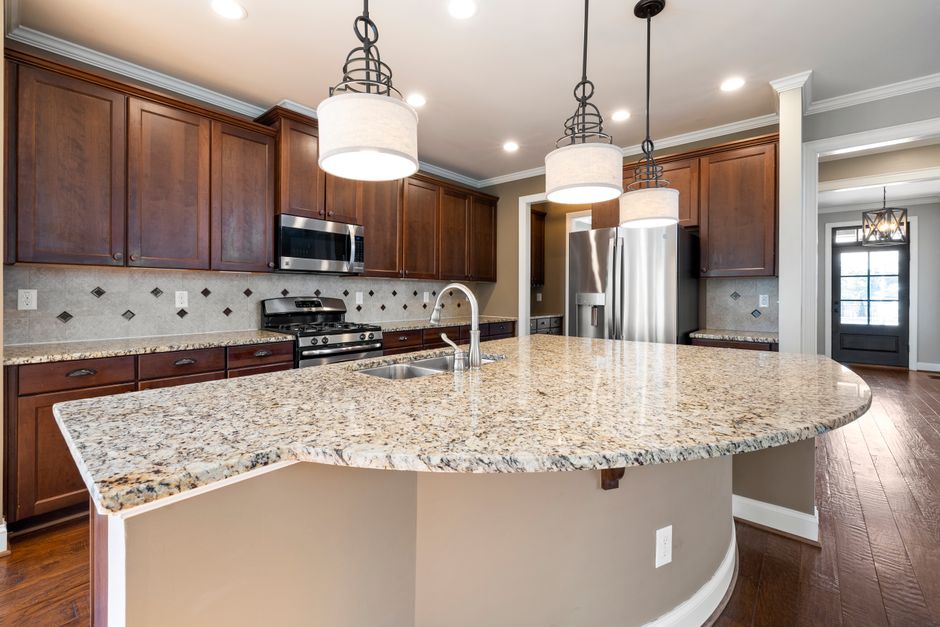
Different stones fail in different ways, so the first step in good care is identifying the material.
Marble: Protect It From Acids
Marble is mostly calcium carbonate, which reacts chemically with acids. Vinegar, lemon juice, wine, tomato sauce, soda and many bathroom cleaners leave dull, rough patches called etches. An etch is damage to the surface itself, not a stain, so scrubbing will not remove it and bleach will not help.
This matters in a Lowcountry kitchen, where lemon on seafood, vinegar-based sauces and tomato-heavy dishes are part of regular cooking. On marble, a spill left for even a few minutes can dull a polished finish. Blot it, do not smear it, then rinse with plain water and dry.
Granite: Tougher, but Not Always What the Label Says
Most granite resists household acids far better than marble. Some stones sold as granite, however, contain calcite and behave more like marble. If the slab is unfamiliar, test it: put a few drops of lemon juice on an inconspicuous spot for a few minutes, rinse, and look for a dull mark. If one appears, treat the counter with marble-level caution.
Quartz: Engineered Stone With a Resin Weak Point
Quartz is crushed quartz bound with resin. It needs no sealing, but the resin is its vulnerable part. Harsh solvents, oven cleaner, drain cleaner, paint stripper and high-pH degreasers can damage or discolor it. Brands such as Cambria are engineered stone of this type, and the same care logic applies to them.
Cleaners to Use and Cleaners to Skip
Look for a cleaner labeled pH neutral and safe for natural stone. Do not assume that "natural," "green" or "plant based" means stone safe. Many plant-based cleaners rely on citric acid or vinegar, which are exactly what etches calcite stone.
Keep these off natural stone:
- Vinegar and vinegar-and-water mixes
- Lemon-based cleaners
- Routine bleach
- Ammonia
- Glass cleaner
- Abrasive powders and creams
Over time, these can etch calcite stones, strip sealer or dull the polish. Vinegar and water is a common kitchen habit, but it is not a safe all-purpose cleaner for stone.
Skip scrub pads, steel wool and the green side of a sponge as well. On polished stone or quartz they leave fine scratches that read as haze under kitchen lights.
Savannah-Specific Hazards
Grit From the Beach and the Grocery Bag
Sand from a Tybee afternoon, grit on the bottom of a grocery bag and a cooler set down on the counter all carry quartz grains. Quartz is harder than marble and some sealers, so dragging those grains under a cloth or a bag scratches the surface. Lift grit off first, and set coolers and bags on a towel.
Spring Pine Pollen
When pollen coats counters near open windows and doors, lift it with a damp cloth. A dry wipe smears it and can carry fine grit along with it. Rinse the cloth often, then dry the surface.
Humidity, Mildew and the Backsplash Joint
Mold and mildew can grow in caulk and in the joint where the counter meets the backsplash. Dry those joints after use and replace caulk that has failed. Do not attack mildew with bleach or vinegar applied directly on the stone.
Sunlight
Quartz resin can yellow or fade under long exposure to strong UV. A quartz top on a sunny porch, in an outdoor kitchen, or beside a large south or west facing window in an older home is at higher risk. For outdoor use, natural granite is the better choice.
Sealing: Granite and Marble Only
Granite and marble are porous and rely on a sealer. The sealer slows absorption but does not make stone stain proof. Oil, wine, coffee and turmeric can still soak in if left sitting. A sealer also does not stop marble from etching, because it blocks absorption, not the acid reaction.
The Water Drop Test
Leave a few drops of water on the surface for 10 to 15 minutes. If the spot darkens, the stone is absorbing and is due for resealing. Check several times a year, especially near the sink and cooktop where wear is heaviest.
Resealing does not follow a fixed calendar date. Dense dark granites may rarely need it, while lighter granites and marbles in busy kitchens need it more often. Let the water test decide. Quartz does not need sealing like natural stone.
Heat, Knives and Everyday Habits
- Use a trivet every time. Hot pans, slow cookers and griddles can scorch or crack quartz resin. Granite tolerates heat better, but a sudden hot spot can still stress a slab near a seam or cutout.
- Use a cutting board. Knives dull quickly on granite and quartz, and on marble they can leave fine scratches.
- Put coasters and trays under bottles. Rings from olive oil bottles, citrus bowls and bathroom products are among the most common marks on marble vanities and kitchen counters.
Fixing Marks When They Happen
Oil Stains
A stain that has soaked in will not respond to scrubbing or bleach. Oil stains respond to a poultice: mix a stone-safe poultice powder with the right solvent, spread it over the stain, cover it, and let it draw the stain out over a day or more.
Light Etching on Marble
Light etching on honed or polished marble can sometimes be improved with a marble polishing powder made for calcite stone. Never use these powders on granite or quartz. Deep or wide etches call for professional honing and repolishing.
Older Homes and Antique Marble
Homes in the Historic District and Victorian District may have original marble on washstands, mantels or pastry counters. Antique marble is often softer, more worn, and may never have been sealed. Clean it with plain water and a soft cloth only, and avoid even stone-safe products until a test spot shows they do no harm. Treat it as fragile, high-value material.
Check the Sink and Seams Now and Then
Look periodically at seams and the sink rim for gaps, lifting edges or failing adhesive. Water that gets under an undermount sink can darken stone from below and weaken the cabinet base underneath. Catching a small gap early is far easier than repairing a damaged cabinet later.
Follow the Instructions for Your Slab
Finishes, resins and sealers vary. A honed or leathered finish shows oil and fingerprints differently than a polished one. Your fabricator's or installer's care instructions for your specific slab should take priority over any general advice, and they are worth keeping where you can find them.